MSc Design Management
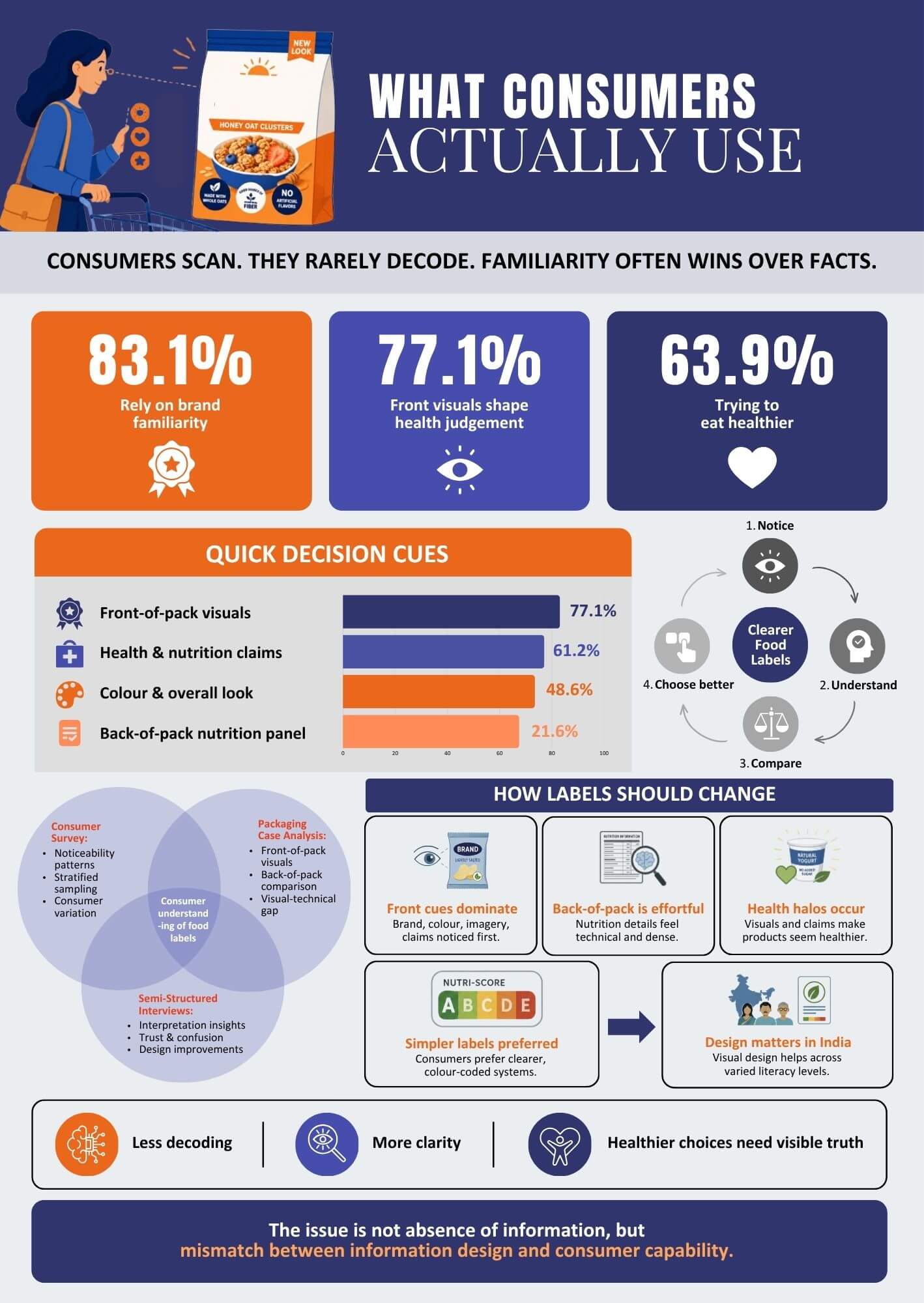
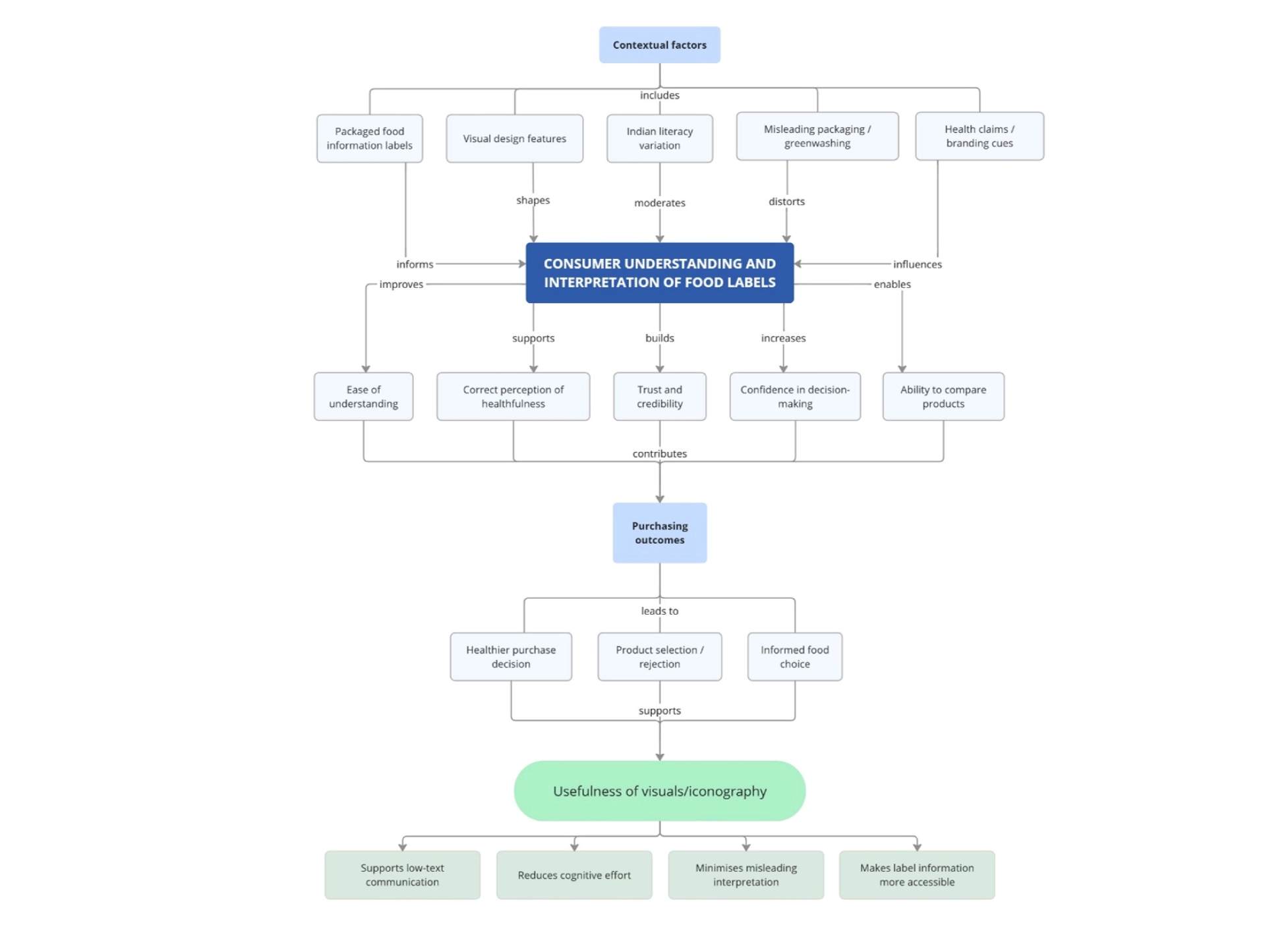
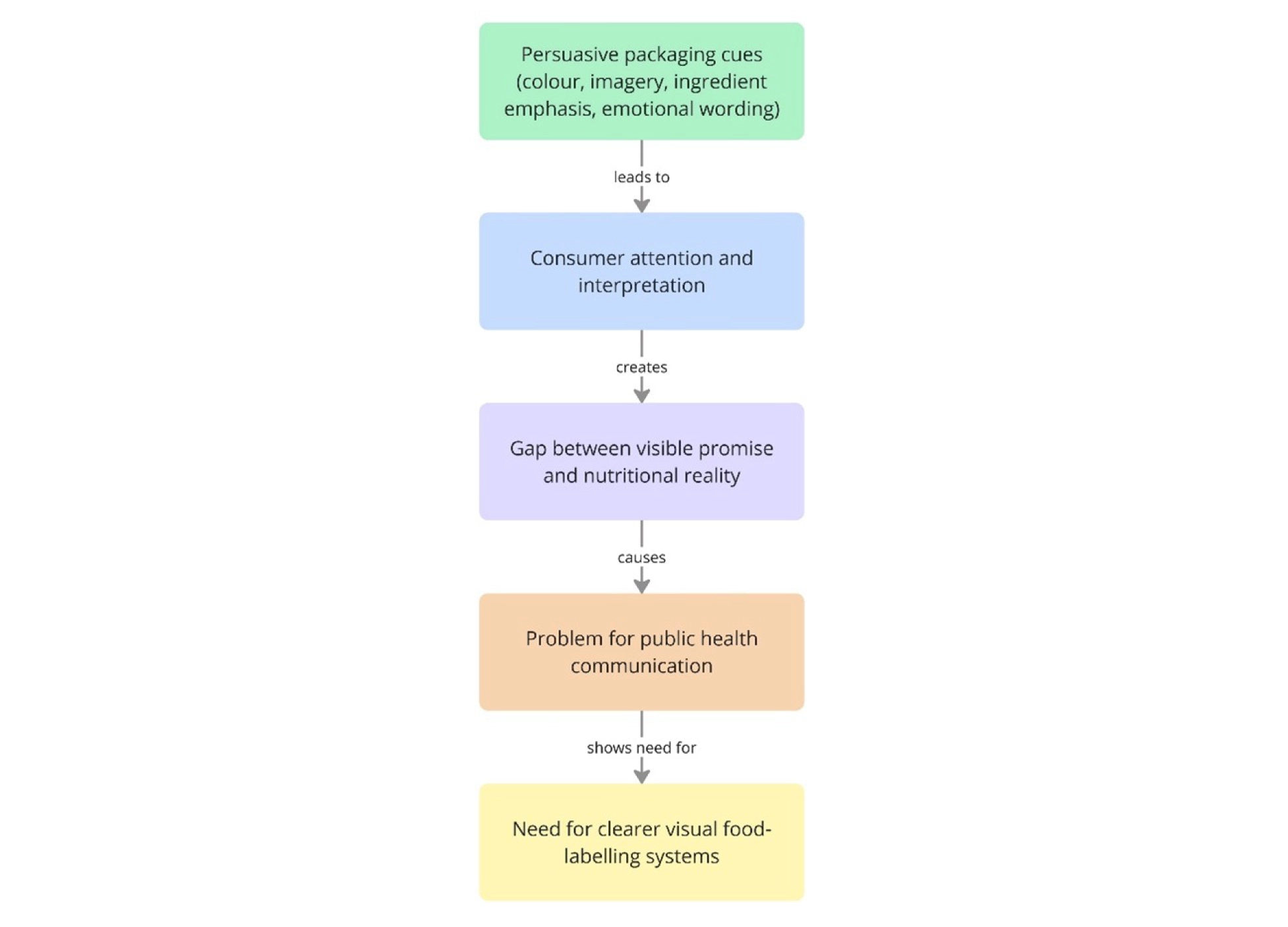
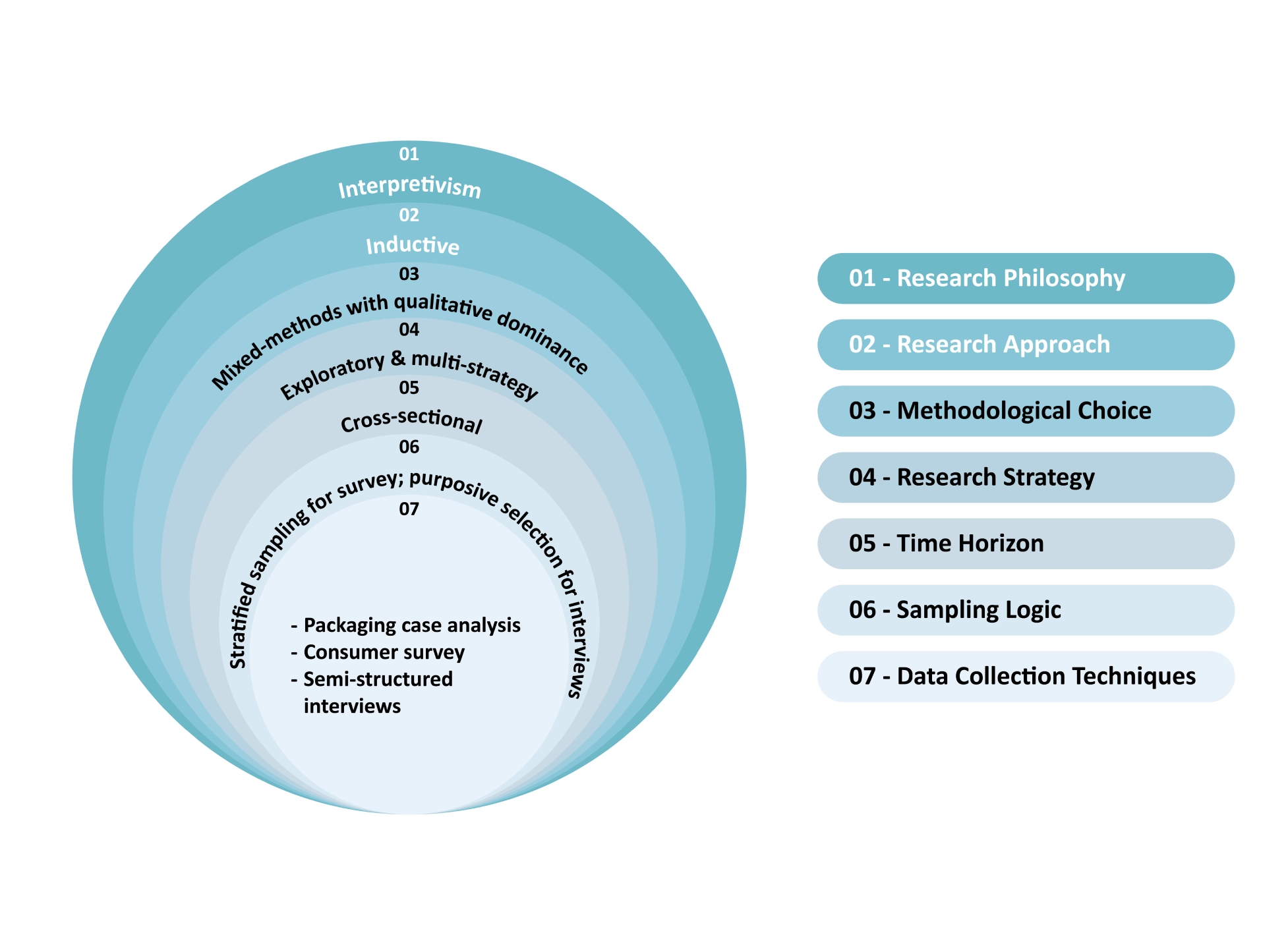
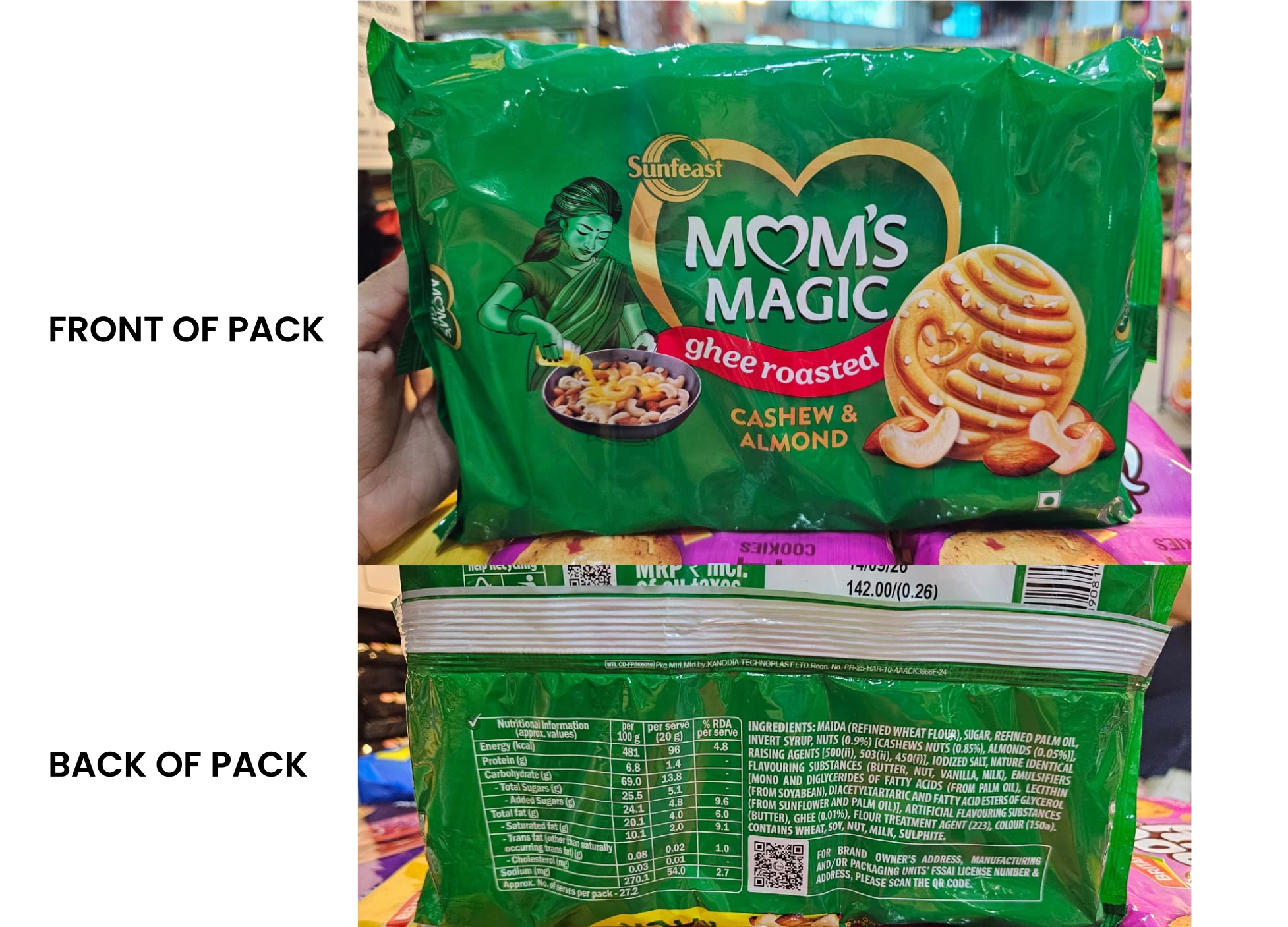
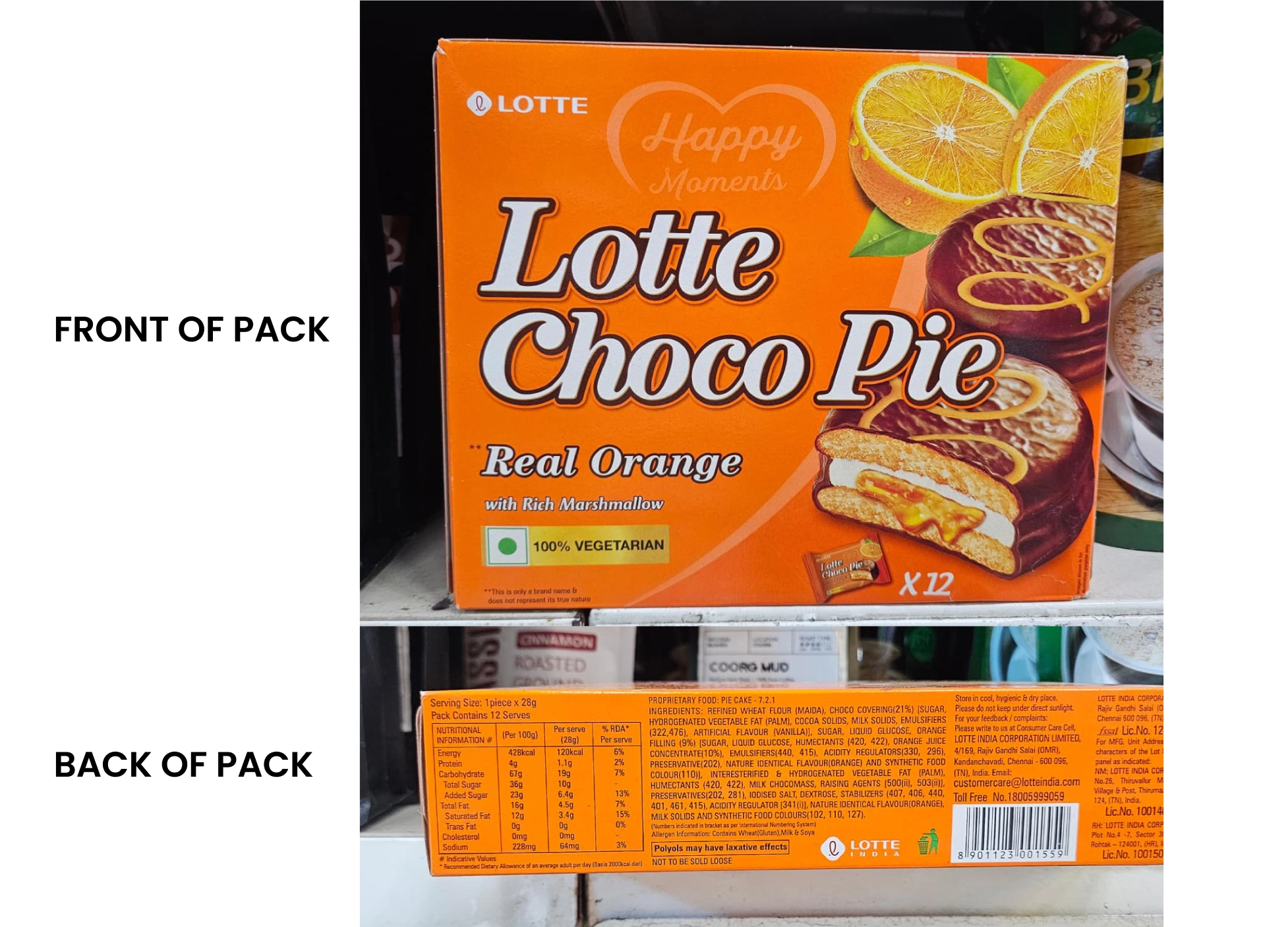
Design Statement: This project investigates how food information labels on packaged foods influence consumer understanding, interpretation, and health-oriented purchasing in the Indian context. It asks why labels often fail in practice even when information is present, and how packaging visuals frequently shape judgement more strongly than technical nutritional details. Through packaging case analysis, consumer surveys, and interviews, the study examines the gap between information availability and actual consumer use. The project is driven by a strong design-led perspective, aiming to understand how clearer visual hierarchy, more interpretive systems, and better communication design can reduce confusion, limit misleading impressions, and support healthier decision-making. It ultimately positions food labelling as both a communication and design challenge.
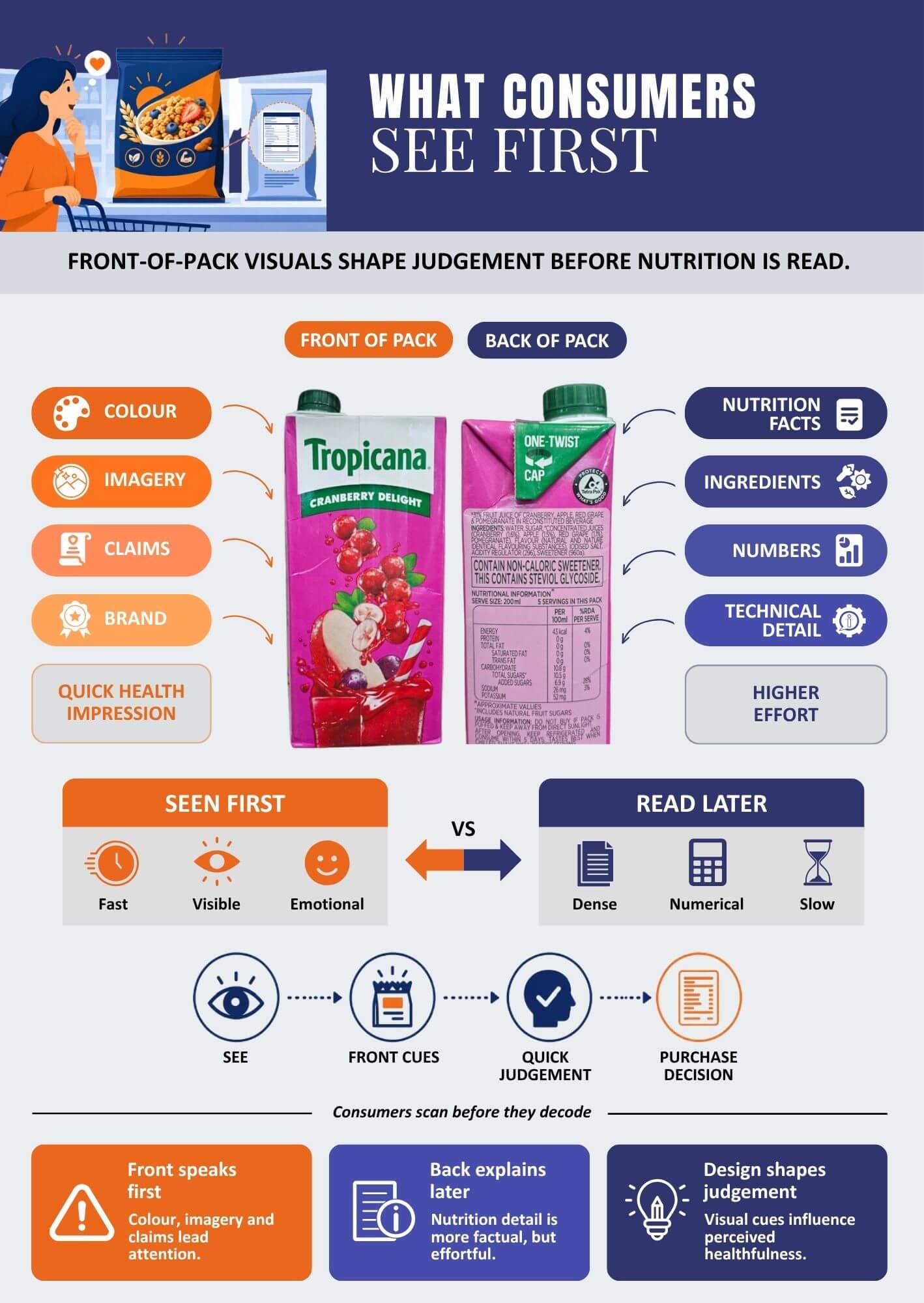
Project Overview: This project approaches food labelling as a design management problem rather than only a regulatory or informational one. It is grounded in the idea that consumers do not encounter food labels as neutral data, but through visual hierarchy, colour, imagery, claims, and time-pressured decision-making. The design concept therefore focuses on clarity, interpretation, and trust. It explores how visual communication can be used more responsibly to support healthier choices, especially in a context like India where label familiarity, literacy, and interpretive ability vary. The project combines public health, consumer behaviour, and design thinking to reframe food labels as user-centred communication systems that must be both informative and immediately understandable.