Interior Architecture Design
Design Statement: Interior architecture shapes more than movement through space; it influences how people feel, recover, and reconnect with themselves. I view spatial design as a psychological and sensory tool—one that can reduce tension, restore balance, and support emotional well‑being. My design approach focuses on creating environments that guide users through emotional and sensory transitions. Through The Offline Club, the aim is to use spatial sequencing, materiality, silence, and landscape intentionally to support clarity, calm, and reconnection. I am particularly interested in how spaces can respond to states of overload by encouraging users to slow down, regain rhythm, and emotionally recharge.
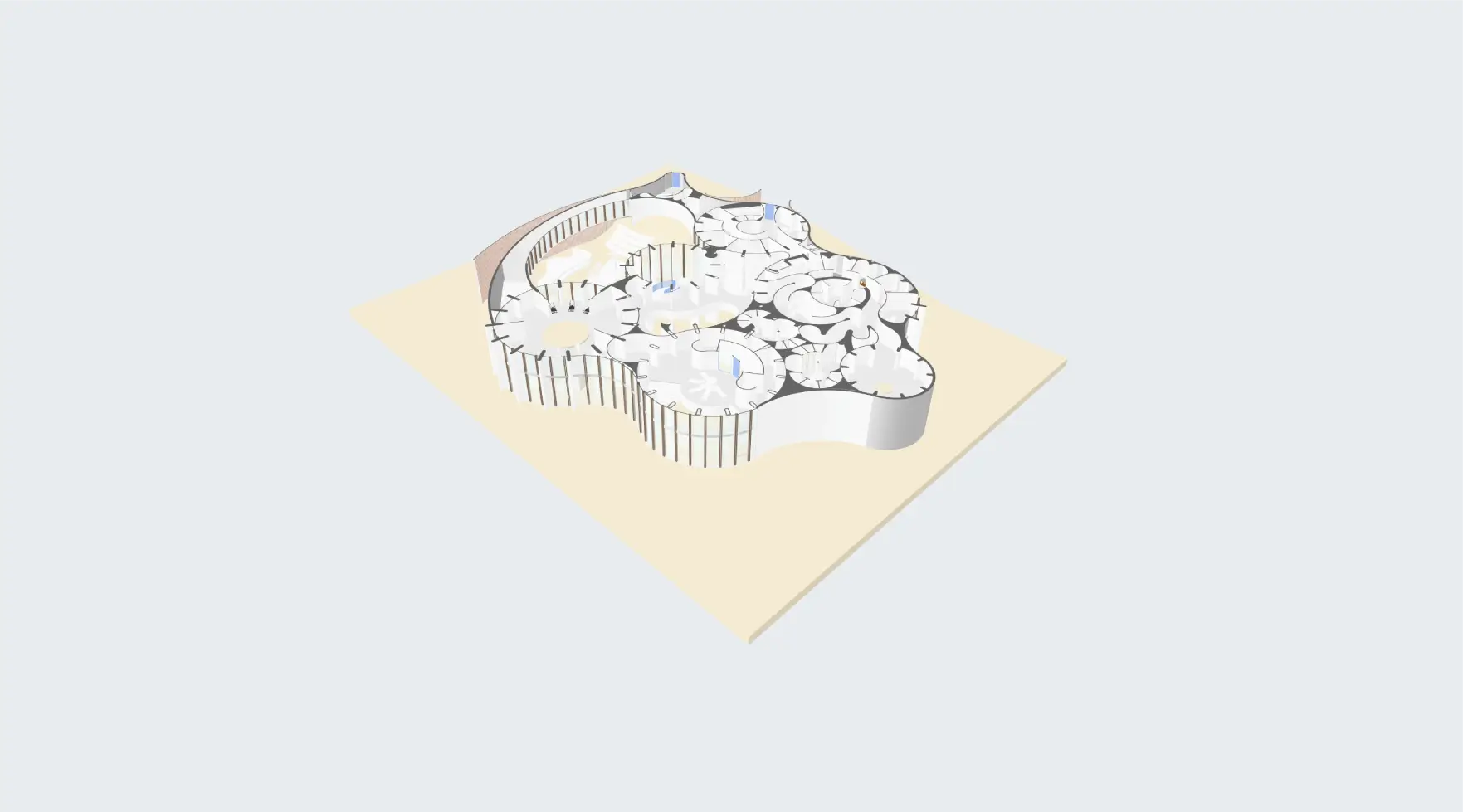
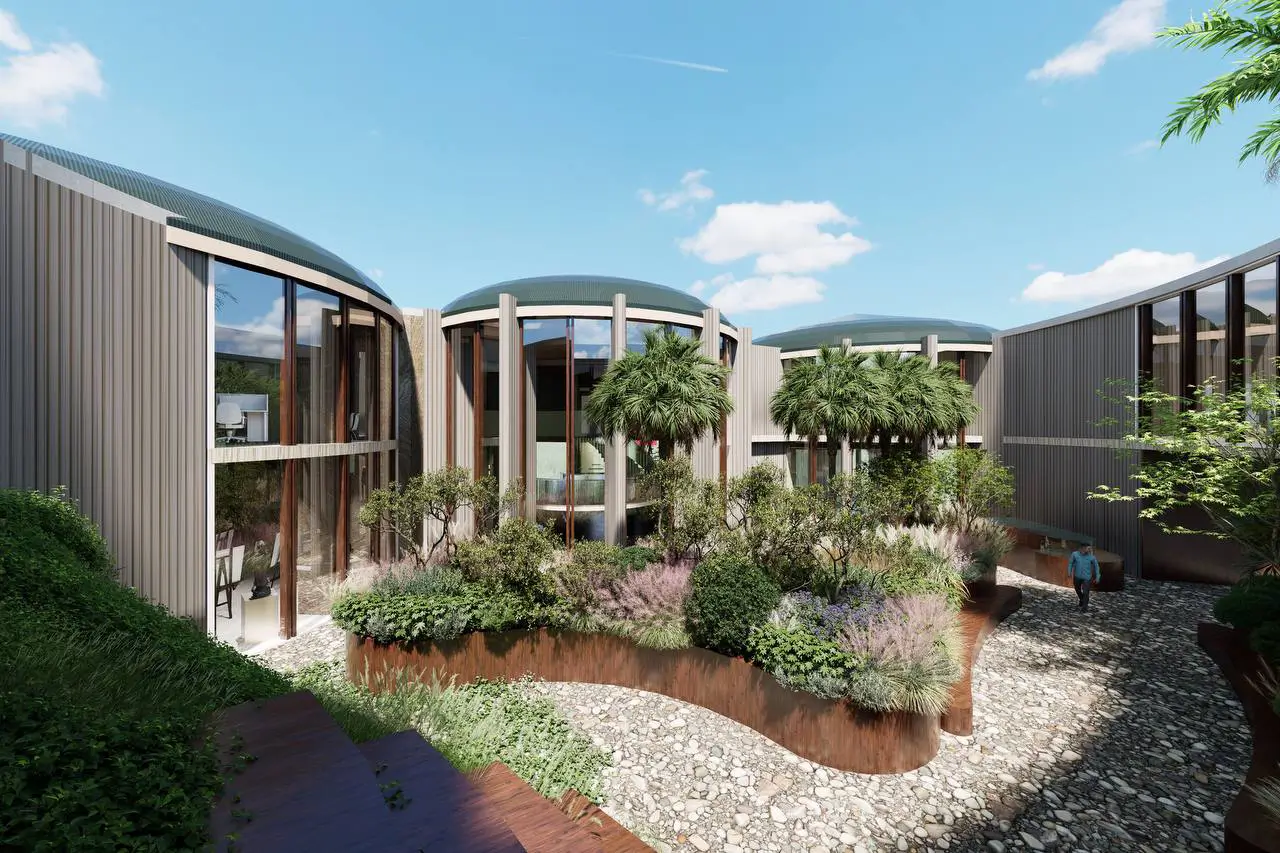
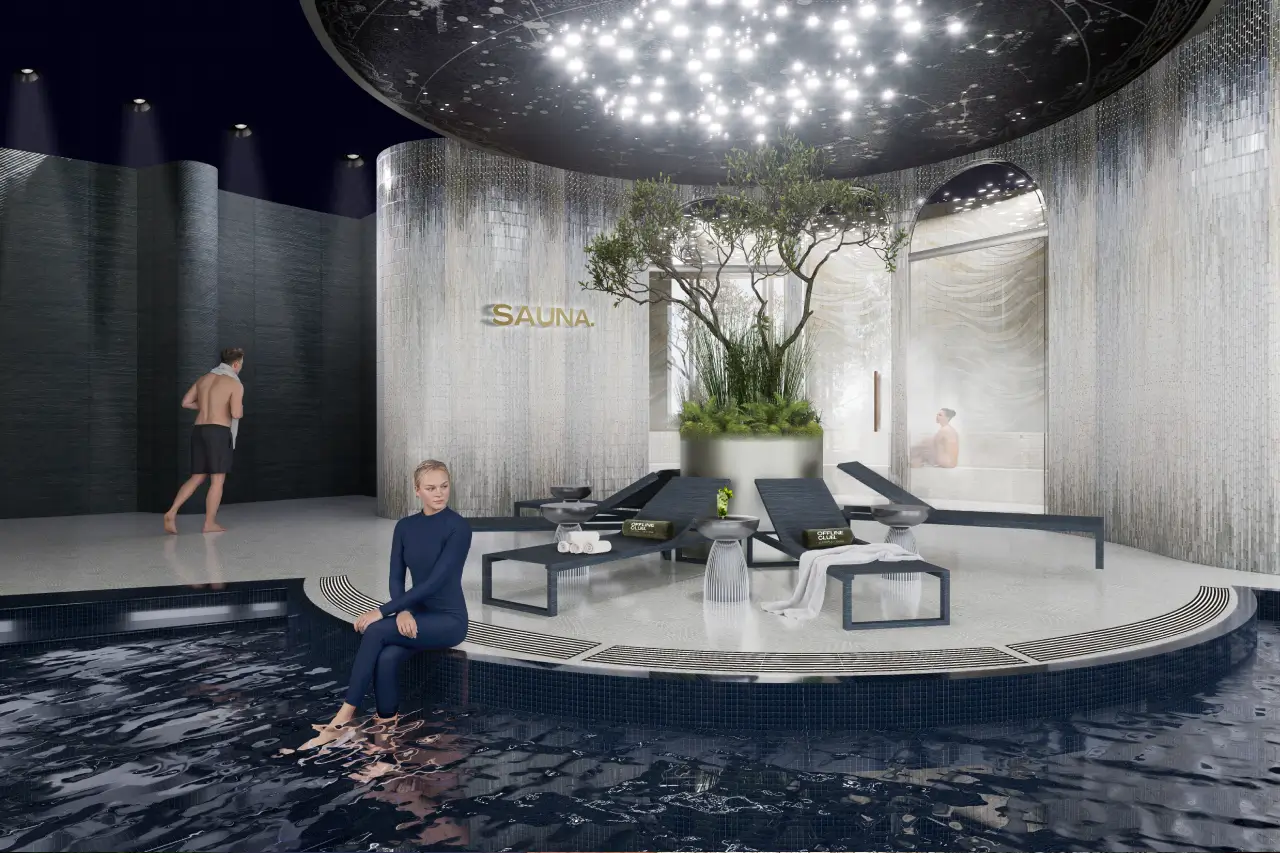
Project Overview: The Offline Club is a digital‑free retreat centre designed to support reconnection with the self through nature, silence, and sensory experience. Responding to the psychological impact of prolonged crises and digital overload, the project redefines retreat as a spatial journey from tension and mental fatigue toward release, stabilization, and healing. Through carefully designed spatial sequencing, the use of natural materials, and immersive landscapes, the environment encourages users to slow down, restore cognitive clarity, and reconnect with both natural surroundings and human presence. The Offline Club positions space as an active agent in recovery – supporting reflection, grounding, and emotional restoration within an increasingly overstimulated world.