Interior Architecture Design
Design Statement: “People’s emotions, behaviour, and self-reconnection can all be influenced by space.” Interior architecture and design should go beyond functionality and aesthetics. They should create environments that uplift the emotions of those who use them. My design approach focuses on mood, movement, materiality, and sensory experience to create spaces that feel purposeful and immersive. Through this project, I explored how spatial sequencing and adaptable environments can help architecture respond to emotional pressure, guiding users from instability toward calm. I am interested in how light, boundaries, circulation, and texture affect psychological comfort in contemporary urban life. My goal is to design spaces that are not only visually engaging, but also support introspection, emotional clarity, wellbeing, and sustainability.
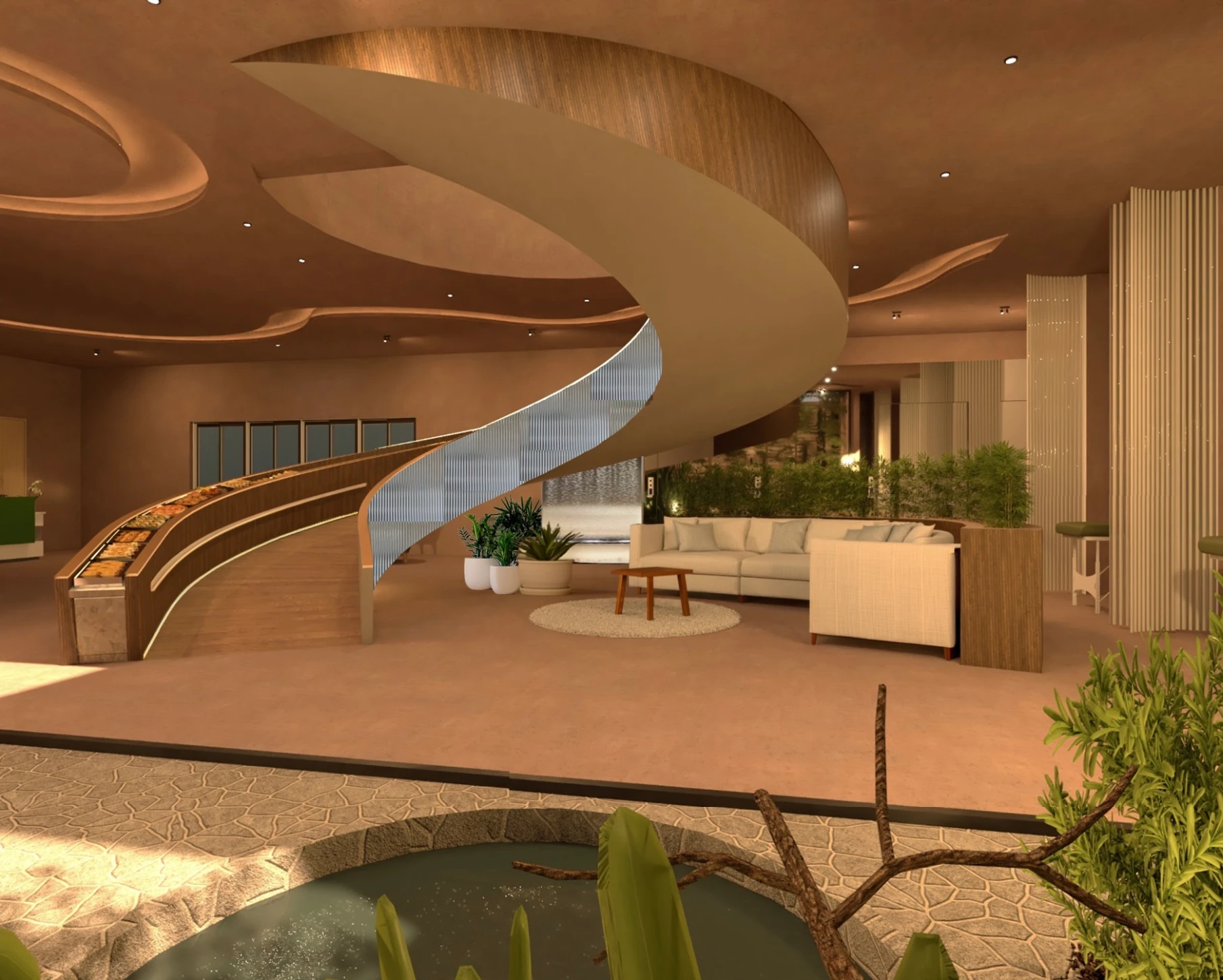
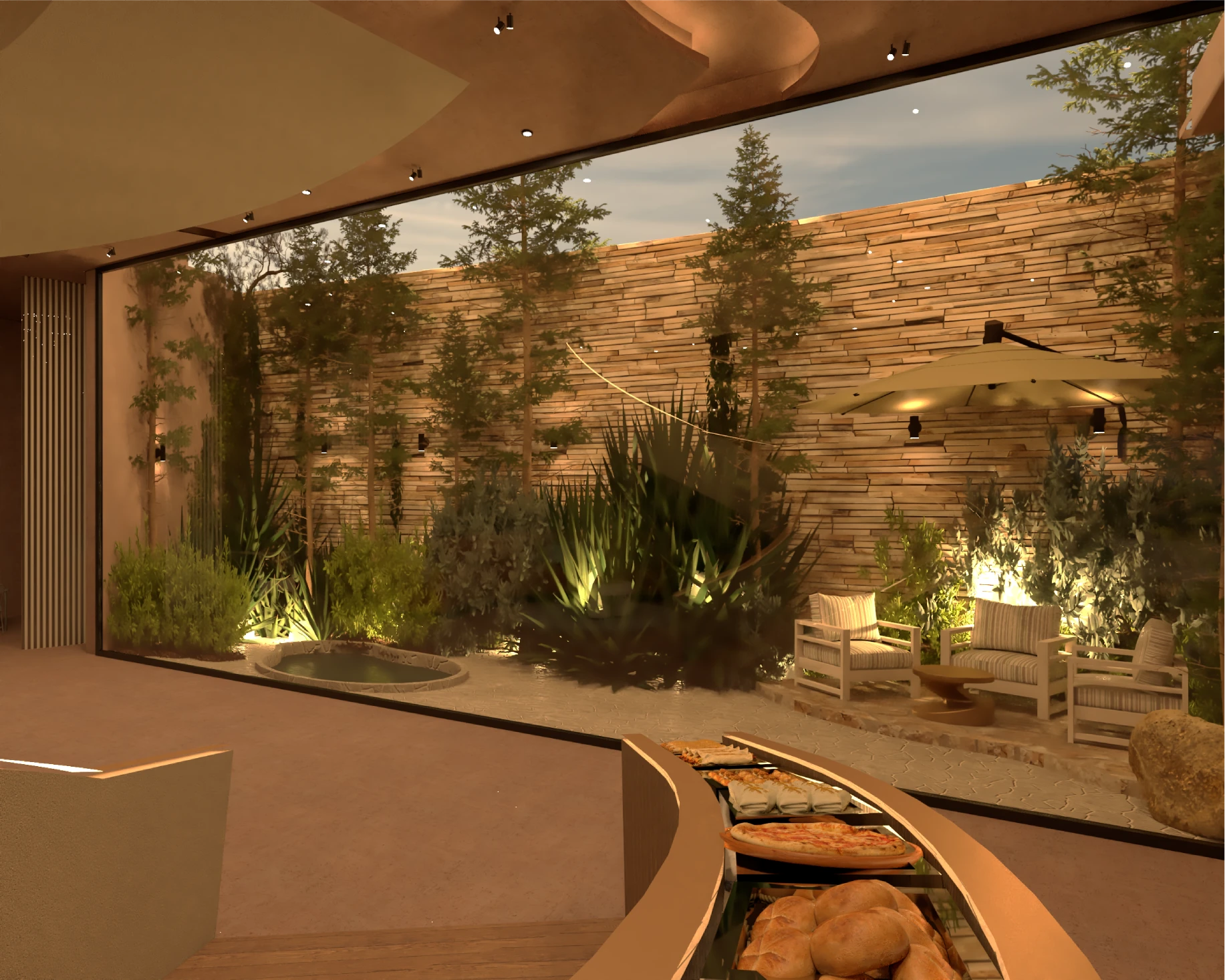
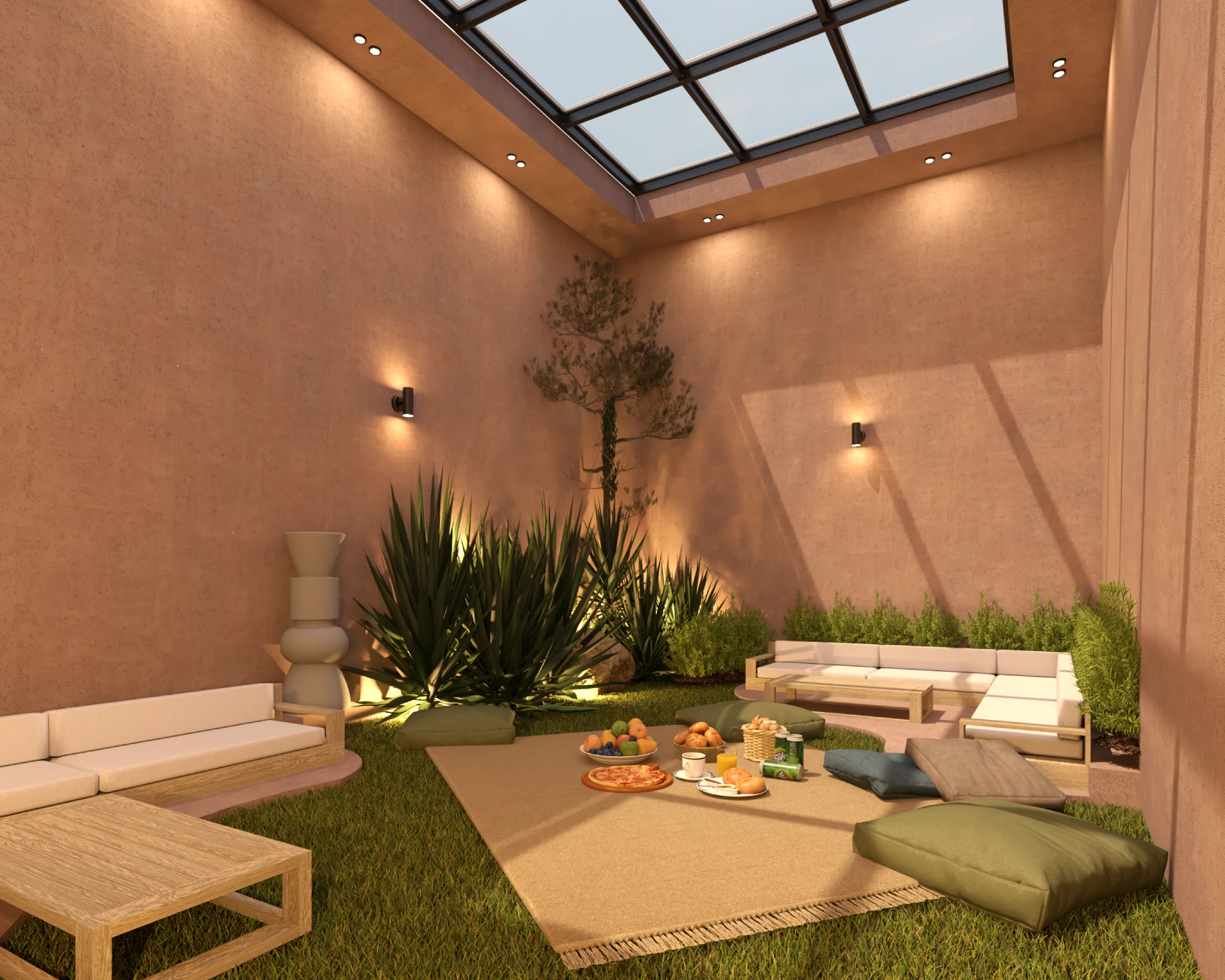
Project Overview: This project explores how environments can progressively reorganise themselves after disruption, and how instability affects both people and spatial systems. The concept translates emotional stress into a sequence of spatial experiences structured around Release, Transition, and Reflection zones. Users are guided through changing emotional states, from compression to tranquillity, through curved circulation, layered thresholds, adaptive boundaries, and controlled openness. Rather than creating a traditional wellness space, the project reimagines architecture as a therapeutic system that supports emotional recalibration, introspection, and mental calm within Dubai’s highly stimulating urban environment.