Vatsal Ved LinkedIn

Communication Design

Kinetic Empathy
Designing Performance Around Human Movement

Design Statement: My design philosophy centres on transforming human frustration into systematic, empathetic solutions. Design is about creating scalable, trustworthy systems that meaningfully support human performance, equity, and well‑being. Through Kinetic Empathy, I challenge the prevailing retail norm of “standardized failure,” where poor fit and performance are accepted as inevitable. The project prioritised high-fidelity digital prototyping in Figma, supported by human-in-the-loop ethical verification. This approach led to a validated adaptive performance wear system, with a sensory mismatch alert addressing comfort, mobility, and physiological responsiveness. Over time, the solution evolved from a data‑driven application into a medical‑tech-informed system, demonstrating that the role of design extends beyond aesthetics toward meaningful human support.

Vatsal Ved

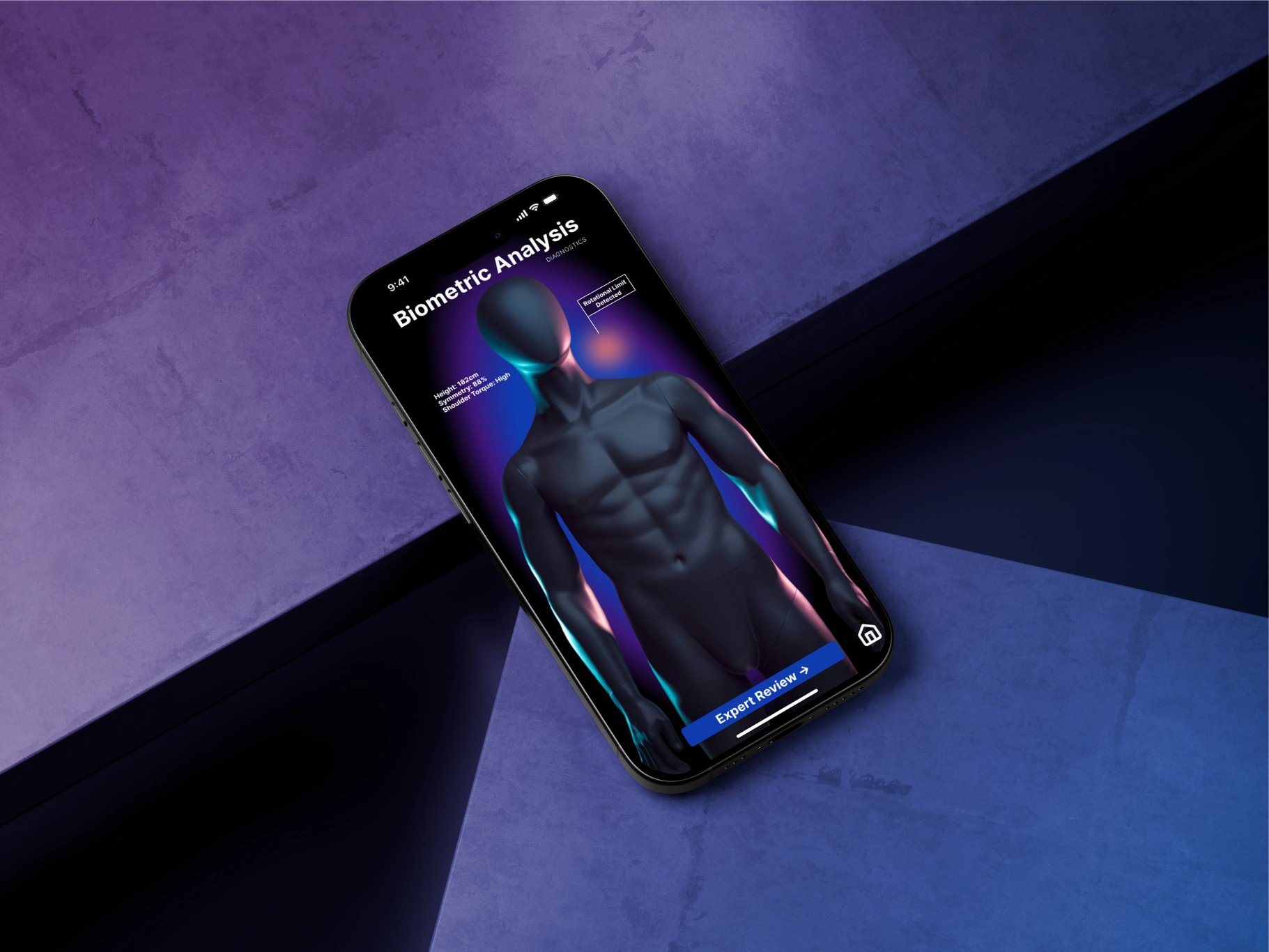
Project Overview: Today’s activewear market relies heavily on standardized sizing derived from mass production, often requiring users to adapt their bodies to garments rather than the other way around. This approach overlooks individual mobility, comfort, and sensory needs, leading to performance friction and contributing to an average global return rate of 55%. Kinetic Empathy proposes a systematic shift – from subjective notions of “fit” and “feel” to objective, body‑led data. The system employs 360° posture capture to map individual joint mobility, torque thresholds, skeletal symmetry, and physical behaviour. Using this data, Kinetic Empathy generates a bio‑compatible matching score, analysing posture, movement, and temperature to inform a material feedback loop that ensures precise fit. By removing the user’s burden of explanation, it establishes an intuitive relationship between body and garment.

Vatsal Ved
Vatsal Ved